

Environmental Toxins: Why Your Body’s “Overwhelm” Isn’t Random
- Brenda Elving
- Nov 20, 2025
- 3 min read

Most of us don’t realize how hard our bodies work every single day. We notice the big moments when we suddenly crash or the day we can’t get out of bed, but long before those symptoms appear, the body has been carrying a steady workload.
And for many women in their 40s, 50s, and beyond, that workload is much higher than it looks.
When the Body Speaks Loudly
Last week I found myself unexpectedly sidelined after running an errand in a brand new store. I’d had sneezing or coughing fits there before, but this time my system hit its limit. Before I'd even left the store, I was freezing. Within an hour of returning home, I was huddled under a blanket on the couch with a fever and chills that lasted a full day.
It wasn’t an infection. It was an overload of environmental toxins.
Even though I couldn't smell anything and my daughter was fine, I was not. There were obviously chemicals off-gassing from the various building materials and paint.
Once I removed myself from the source and began supporting my body’s detoxification efforts, recovery came fairly quickly. But it was a powerful reminder of how easily our internal load can tip from “manageable” to “too much.”
When the Body Speaks Quietly
Not every woman experiences symptoms so suddenly. In fact, most don’t.
For many, the load builds slowly over months or even years:
A little more fatigue than usual
A touch more brain fog
Or your brain won't stop
Sleep that isn’t as restorative
Mood shifts or irritability
By the time these signals get loud enough to notice, the body has already been working overtime behind the scenes.
Environmental triggers such as fragrances, cleaners, lawn chemicals, and water contaminants all contribute. But one area that deserves more attention is the internal load created by what we take in every day.
Your Body Has to Process Everything
Every input requires processing. Nothing simply passes through untouched.
That includes:
Medications
Synthetic ingredients in supplements
Binders, fillers and excipients
“Inert” sweeteners
chemical residues on flour
Each of these must be broken down, neutralized, and moved through the body’s detoxification and drainage pathways. And when the pathways themselves are sluggish or overwhelmed, even good things can become burdensome.
This is not about avoiding prescriptions. I routinely work alongside them. But if your medication list has grown over the years, or you're taking supplements for other symptoms, it may be a sign that your system needs more support to manage the total load.

Restoration from Environmental Toxin Overload
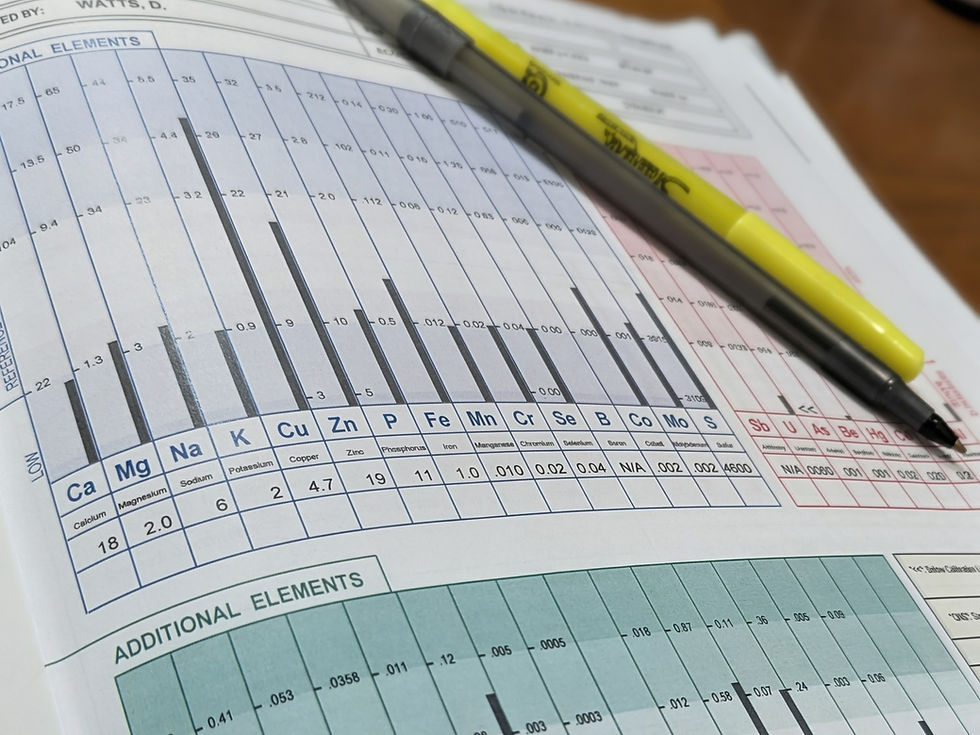
One of the first things I evaluate for a client is which nutrients are being depleted by what they’re taking. Medications and certain supplements can use up or displace key minerals and vitamins, and that’s often where imbalances begin.
When those nutrients drop, the entire system has a harder time processing the daily workload, and symptoms appear.
Restoration of balance is often where those symptoms end.
The Path Forward
Your body is designed to heal. It simply needs the right conditions to do so. Much like a houseplant, nutrients, sunlight and water are essential. But so is drainage. I approach healing the same way.
That means:
Opening detox and drainage pathways
Replenishing nutrients that medications or stress have depleted
Reducing unnecessary inputs where possible
Reactivating recovery systems
Whether your symptoms appeared suddenly, like mine did, or crept in slowly over the years, there is always a path forward. Recovery is built into the design. With the right support, clarity, stability, and resilience will return.
Want to evaluate your total load and restore balance? It may be simpler than you expect. Schedule a free discovery call to talk about what you can expect.


Comments