

Map to Health, Step 1: Replenish & Protect Your Minerals
- Brenda Elving
- Sep 16, 2025
- 3 min read

(Root #1 of Chronic Illness: Mineral Imbalance)
If you’ve felt uncertain about using natural salts, you’re not alone. Many have been advised to avoid salt or saw headlines warning about lead contamination.
The truth is, not all salts are created equal. And your body cannot function without salt; it's a crucial component of hydration.
Most of the salt in processed food and on restaurant tables is refined table salt. This is a highly processed product that’s essentially just sodium and chloride, sometimes iodine. It’s dried at high heat, stripped of natural trace minerals, and treated with anti-caking agents. By the time it reaches you, your body can’t process it the way God designed. It doesn't have the other minerals that are supposed to work together, and high heat has destroyed what's left.
By contrast, traditionally harvested Celtic Sea Salt is sun-dried from clean coastal waters and retains over 80 trace minerals. These minerals balance the sodium and help your body metabolize it, supporting hydration, adrenal health, and cellular function. This is real nutrition, so it tastes good. My family often sprinkles it in their water glasses or takes a pinch straight from the salt dish, especially on hot summer days.
But what about the lead warnings?
Trace amounts of heavy metals are found everywhere. They're in soil, air, and water, sometimes in foods. What matters is balance. Himalayan salt, which is very popular and another good option, is mined from rocks that have widely diverse mineral makeups. It really depends on the source. I prefer Celtic Sea Salt, as it is sourced from pristine, traditional salt-harvesting locations.
Sea salt may contain a trace of lead, but it also comes naturally packaged with calcium, magnesium, and other minerals that help block heavy metal absorption. When your body is low in those protective nutrients, toxins have nothing to compete with and are more likely to settle into tissues. This concept, called nutrient antagonism, is one of your body’s best defenses: strong mineral levels help guard against toxic exposure.
More Ways to Feed Your Minerals
Salt is just the start. Here are other simple ways to boost your mineral reserves:
Eat mineral-rich produce: celery, watermelon, cucumber, beets, and dark leafy greens (especially spinach and chard).
Enjoy mineral-rich proteins: sardines (with bones), salmon, eggs, and bone broth.
Choose nuts & seeds: pumpkin seeds (magnesium), Brazil nuts (selenium), almonds (calcium).
Use herbal infusions: nettle, oatstraw, and red raspberry leaf teas are all rich in calcium, magnesium, and potassium.
Watch Out for Mineral Disruptors
Certain lifestyle factors can drain your mineral bank faster than you can replenish it:
Excess caffeine or alcohol – increases mineral loss through urine.
Refined sugar – uses up minerals during digestion.
Stress – burns through magnesium and sodium reserves.
Certain medications – such as diuretics, acid blockers, and some birth control pills.
Don’t Forget Potassium
Potassium is one of the most overlooked minerals, and it’s crucial for heart health, nerve function, and fluid balance. Signs of deficiency can include muscle weakness, cramps, fatigue, mood swings, and even irregular heartbeat. Boost potassium naturally with foods like:
Avocado
Sweet potatoes
White beans
Coconut water
Bananas (ripe, but not overripe)
Action Steps You Can Start Today
Swap refined table salt for Celtic Sea Salt.
Add at least one mineral-rich food to each meal.
Reduce or replace one mineral-draining habit this week.
If you notice symptoms like muscle tightness, cramps, fatigue, or mood swings, think “minerals first” before reaching for another cup of coffee or an over-the-counter remedy. Another interesting cue that you may be low in minerals is a craving for potato chips. Have a pinch of sea salt and leave the calories and unhealthy fats behind.
Want to Know Your Personal Mineral Picture?
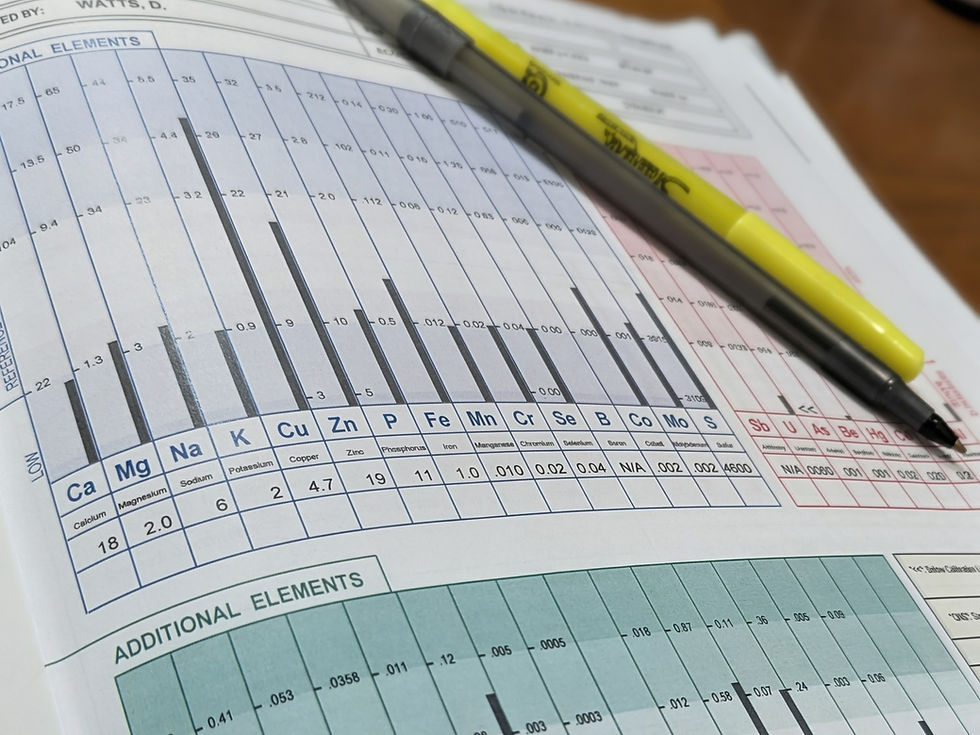
A Hair Tissue Mineral Analysis (HTMA) can show your calcium, magnesium, sodium, potassium, and heavy metal levels, as well as how they’re working together. It’s simple, non-invasive, and can be collected at your next hair appointment.
📩 Just email me here With HTMA in the subject line and I’ll send you the step-by-step instructions to get started.


Comments